
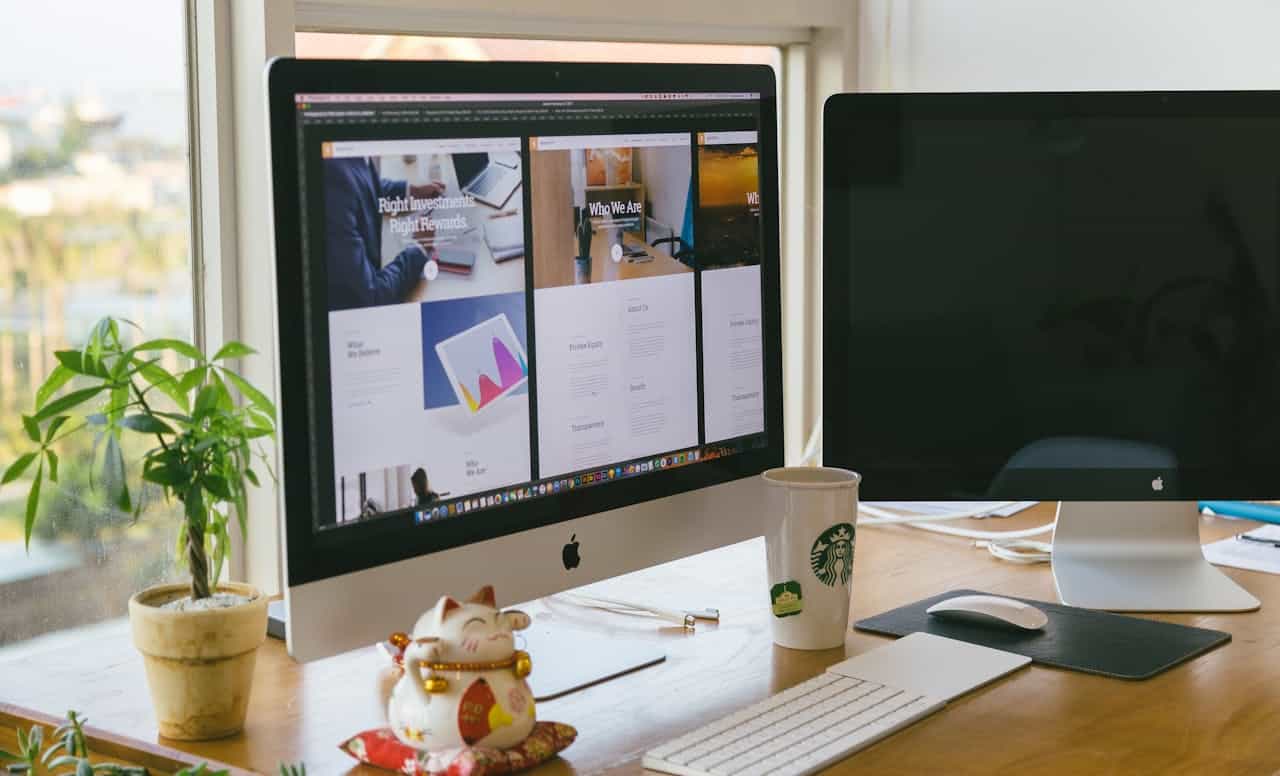
At some point, every travel agency outgrows the website it started with. This happens when the business gets busier, services expand, or clients begin expecting a smoother online experience. That is the moment when a custom website design becomes something that truly matters.
It is no longer about just having a site that looks professional. It is about making it work better for the way you serve clients. From a cleaner mobile layout to better contact forms, a custom build helps reduce friction and creates trust from the start.
We have seen firsthand how the right layout and structure invite visitors to take action without second-guessing. That kind of clarity is not always possible with a templated builder or a patched-up platform. When online habits shift and clients grow more selective, it makes sense to rethink how your site works, not just how it looks.
When DIY Platforms Start Holding You Back
Most agencies launch with something quick, like a drag-and-drop builder or a generic template. It works for a while, especially when the goal is to simply have a website. But as services grow and buyers get more selective, that same setup starts to create obstacles.
Here is where the cracks often show up:
- You cannot place your services or trip types the way you want
- The layout does not guide people naturally from interest to inquiry
- Mobile users have to pinch or zoom, or buttons do not respond well
Even simple things like slow load times or clunky navigation can chip away at trust. While these details might seem small, they are the ones visitors notice first, without even realizing it.
Brand mismatches are another issue. A site that feels generic or off-brand does not reflect how you actually work. When that gap grows too wide, credibility starts to slip.
Signs Your Travel Business Has Outgrown Its Website
You do not always need numbers to know when a website is falling behind. You hear it in the way clients ask questions, or in how much effort it takes to explain things your site should already cover.
Some of the common signs include:
- You are getting more inquiries, but you are not set up to handle them clearly
- People keep asking the same basic questions, which means the info is not visible or clear
- Your services have expanded, but there is no clean spot to explain how everything fits together
Over time, these small frustrations grow into missed chances. If someone is curious and clicks around but cannot find what they need, they tend to move on. That is when you start to feel the limits of your current setup, especially when you are managing more bookings and juggling faster timelines.
Timing Your Website Investment the Smart Way
Late winter is when people start feeling ready to plan something new. That is why a website refresh or redesign in February makes sense. The interest in spring and summer travel builds now, not later.
Upgrades take time, and nobody wants to rush changes once traffic picks up. This is the best time, before inboxes get packed and calendars fill with calls. Working ahead gives you breathing room and more control over what the site becomes.
Think about how much easier it is to fine-tune wording, shift layouts, or edit forms before leads start coming in. It is not just about appearance. It is about function and how comfortably people move through your services, your process, and get to that contact form.
What Makes a Travel Website Worth the Upgrade
Some site changes feel nice. Others make a big difference. A well-built structure shaped around how travelers behave brings in better leads, not just more visitors.
That means:
- Inquiry forms that feel simple, not stressful
- Service areas that match what people are actually looking for
- A mobile scroll experience that supports curiosity and trust
We usually think of website value as clicks or how nice a homepage looks, but it is really about how someone feels while using it. When they land on your site and find exactly what they need without effort, that feeling stays with them.
Even small layout decisions, such as where buttons go or how much detail to show, change how people engage. The more aligned your layout is with how you actually help clients, the more confident they feel about reaching out.
Why Waiting Can Slow Your Growth
When a site stays the same too long, it starts falling behind. This happens in how slowly it loads, how disorganized pages feel, or how vague the messaging becomes. These things add friction.
We have seen this happen during busy seasons. People plan to update their site, but wait too long and miss larger opportunities. Once visitors start leaving or skipping over pages, leads begin to decrease, often without clear warning.
Here is what delays tend to cost:
- Missed searches because pages do not help Google understand your services
- Skipped pages because mobile layouts are outdated
- Lost leads because forms feel too long or too hard to fill out
Even if your services are strong, your site needs to support that. If it does not, there is a disconnect people will pick up on quickly.
Build for the Next Season, Not the Last
We always recommend being prepared, especially this time of year. The late winter window gives you a natural opportunity to get your site ready before inquiries increase.
Planning now does more than make client work easier. It helps you respond faster, say more with less, and handle growth with a site that matches your workflow.
That is really the biggest change that a custom website design brings. Less patchwork, more alignment. From how you describe your services to how people move through each step, the right layout makes everything feel smoother.
By building with the next season in mind, you reduce future stress. That means fewer quick fixes, stronger client momentum, and better returns on the time you have already invested. Prepare your business for spring travel demand by rethinking your digital foundation.
A strong layout provides your clients with a better experience and gives you freedom from the constraints of generic templates. When you are ready to move to a design that truly reflects your workflow, our custom website design could be the right next step. At Suitcase Designs, we build with purpose and clarity, so contact us today to discuss the future version of your site.


