
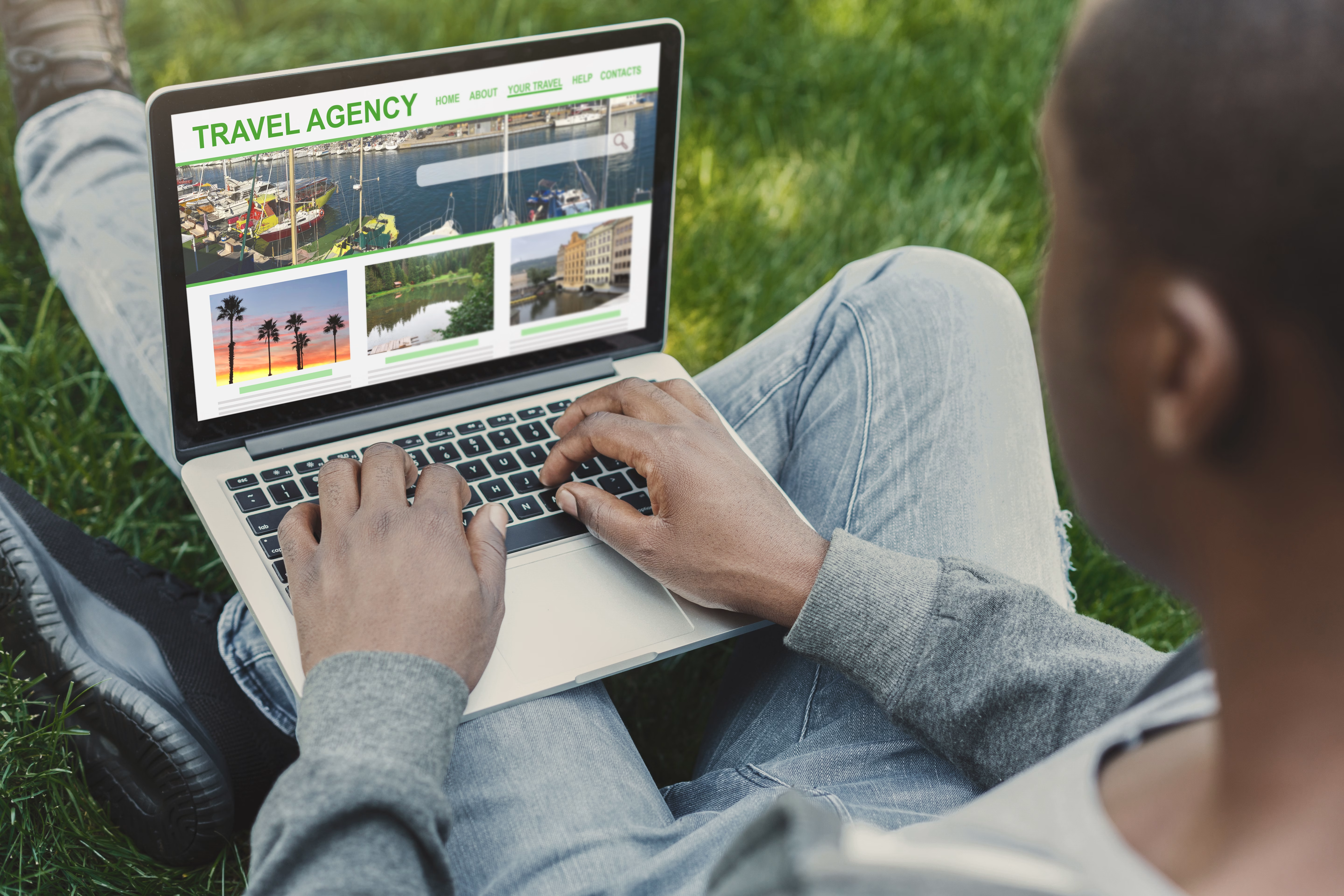
Most travelers decide within a few seconds whether they trust a website enough to stick around. That is especially true on a brand-new travel site. They are looking for signs that the advisor or agency behind the page understands them, listens, and will guide them through the process. Pretty colors alone will not get that done; trust is built with clarity, tone, and purpose.
This is where travel agency digital design plays a key role. When the site is built with your ideal client in mind, the words, layout, and images all support a message that simply feels more trustworthy. For first-time visitors especially, those first moments count. You either help them feel like they are in the right place, or you give them a reason to leave.
Making a Trustworthy First Impression
First impressions are fast. When someone lands on your homepage, they scan for clues. What do you offer? Who is it for? Can they find answers without digging?
To help visitors feel grounded quickly, here is what matters most:
• Clear and helpful text near the top of the page
• A headline that explains your service and speaks to a problem they might have
• Choices that feel simple and are not overwhelming
Visitors often leave when they see vague or clever wording that does not explain anything. For example, a phrase like “Dream Bigger” does not help someone searching for honeymoon planning. A better headline might be, “Custom Honeymoons Planned for Busy Couples.” That is direct and speaks to a real solution.
The quicker someone understands what you offer and whom you help, the more likely they are to stay and scroll.
Showing You Understand Their Travel Needs
Trust grows when people feel understood. It is not just about what services you list, but how you talk about them. The wording on your homepage should feel like you are speaking directly to someone planning a trip, not just writing about your business.
Travelers want to know:
• You have worked with people like them
• You can save them time and make things easier
• You hear their questions before they even ask them
Try changing lines like “With over 10 years of experience, we…” for something like “Done planning trips on your own? We will help you with every step from ideas to takeoff.” Simple, focused language shows that you care about their experience and are not just listing facts about your background.
When website content reads more like a conversation and less like a brochure, people stay longer and feel like you are the right person to help them.
Avoiding Design Mistakes That Break Trust
Even with the right words, poor design can get in the way. Busy layouts, confusing buttons, and slow load times all send the wrong message. It may seem small, but issues like these can reduce confidence:
• A homepage with too many links or dropdowns
• Pages that feel cramped or hard to read
• Buttons that all look the same or do not clearly say what they do
Instead, design should aim for simplicity. Let things breathe. Use a handful of soft, easy-to-spot buttons that guide people without pressure. The goal is not to get a visitor to click everything, it is to help them feel comfortable moving at their own pace.
When travel agency digital design focuses on cleaner layouts and visitor flow, trust can build more naturally.
Using Visuals and Structure That Support Trust
Design is not only about how it looks. It is about how the pieces work together to give visitors a smooth experience. That means the photos, font, spacing, and sections all need to tell a story that helps people feel welcome.
Here are a few ways page structure can support trust:
• Use real traveler photos when possible or imagery that fits your audience’s type of trip
• Break content into short, readable chunks so no one feels overwhelmed
• Avoid using too many flashy graphics that distract from the message
A homepage that feels personal will almost always do better than one that looks flashy but generic. Do not feel the need to fill every spot with something. Leave room in your design so the right words and photos stand out. When pages have ample space, people stay longer and feel more relaxed reading what is there.
Building trust sometimes just means being real: real trips, real types of travelers, real help.
Building Confidence Click by Click
Trust builds slowly. People notice small details. They judge tone, layout, and rhythm before they ever contact you. That is why every part of your site matters, from your first headline to your last section.
Each interaction you create should help them:
• Understand what their next step is
• Feel like they are not being pushed into anything
• Walk away with more clarity than they arrived with
We think of each click as a small vote of confidence. Did they scroll? Did they open your trip types? Did they read your FAQ? Every one of those moments gives them a reason to stay and possibly come back later if they are not ready yet.
Trust is not a one-sentence fix or a single photo. It is layered across the page, quiet, steady, and honest.
Helping Visitors Feel Ready to Move Forward
Most travel websites do not lose people because the trip options are not good enough. They lose people because the visitor did not feel safe or supported while scrolling. Trust is the factor that holds everything together. It shows up in calm colors, plain language, clear paths, and a voice that cares more about helping than impressing.
When done correctly, the entire experience builds confidence without ever needing to mention trust at all. Visitors remember how the site made them feel: helped, comfortable, like someone is already thinking ahead for them. That is the best place to begin.
Rethink how your travel website connects with visitors by considering how structure, messaging, and design work together to create a strong first impression based on clarity and helpfulness rather than flashiness. At Suitcase Designs, we build sites that move travelers from curious to confident with content that speaks to their needs. Discover our approach to thoughtful travel agency digital design and let us know when you are ready to improve your digital presence.


