
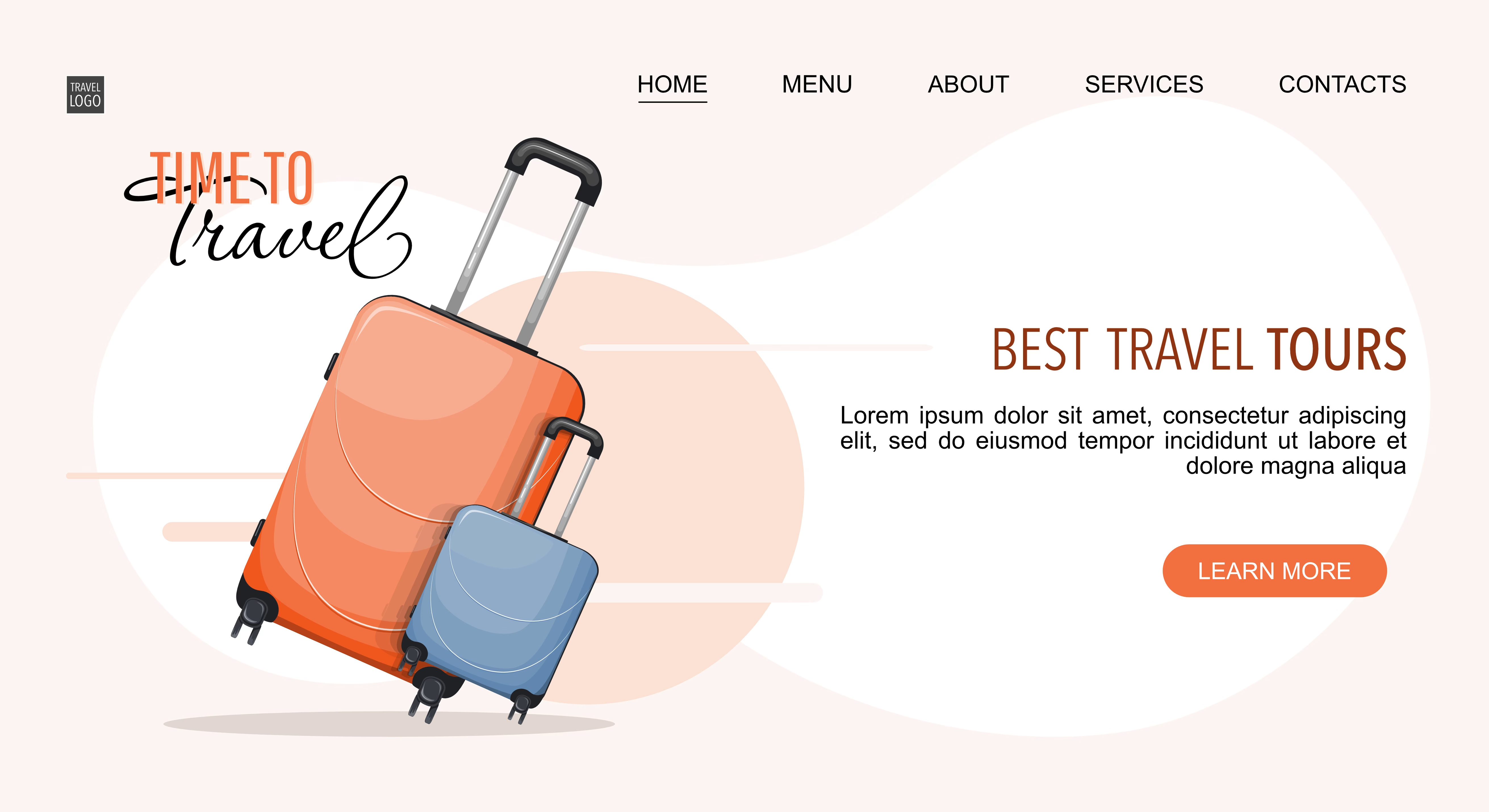
Your travel website often acts as your first impression. It’s the front door to your business, and if it doesn’t feel welcoming or trustworthy, potential clients may not stick around. A site that looks outdated, loads slowly, or doesn’t reflect the personal style of your travel service can make it hard to stand out. With so many agencies offering trips and experiences, blending in becomes a real problem.
Standing out isn’t about being flashy or loud. It’s about having a custom website design that speaks to the people you’re trying to reach. When your site looks unique and works the way your visitors expect it to, trust builds quicker. From the layout and colors to the way you guide people through your site, personalized design creates something that feels made just for your clients and that’s where others often fall short.
Unique Visual Appeal
People usually decide within seconds whether they want to stay on a site or click away. That first visual impression matters. The colors, layout, and images you use should feel aligned with your brand and the type of travel experiences you offer. A site made for adventure travel shouldn’t look the same as one focused on luxury cruises.
Many travel sites use templates that feel generic or overly busy. Custom design helps you break out of that box. It lets you highlight what sets your services apart visually. You can choose colors that reflect your brand personality, fonts that are easy to read on every device, and layouts that flow naturally from one section to the next.
Here are a few key visual elements that often make a big difference:
- High-quality, original photos that match your trip offerings (avoid stock images when possible)
- Simplified color schemes that guide the eye without overwhelming it
- A clear and balanced layout that works on phones and laptops alike
- Branded icons, headers, or logos that make your site feel established and consistent
- Plenty of white space so visitors don’t feel crowded or confused
One example is a travel advisor who specialized in small-group wellness retreats. Her old site used loud colors, stock adventure photos, and multiple call-to-action buttons in different colors and shapes. Visitors felt unclear on what she actually offered. A redesign using soft tones, custom retreat images, and focused messaging brought her site in line with her actual services and engagement went up fast.
A strong look isn’t just about being pretty. It’s about helping people feel comfortable and confident as they move through the site, which leads directly into how they explore your navigation.
User-Friendly Navigation
Once someone lands on your site, it should be clear how to find what they need. Confusing menus, missing pages, or scattered information usually drive people away. Custom website design means you’re building for your people, not forcing them to figure things out on their own.
Start by thinking about your most common visitor: what are they looking for? Maybe it’s trip details, your contact form, or info about you. Whatever it is, make sure that content is easy to reach in just a click or two.
Here are some ways to create smoother navigation:
- Stick to simple main menus with 4-6 top-level links max
- Use drop-down menus only when truly helpful, not for every page
- Label buttons clearly: “Book a Call” works better than “Start”
Another smart move is limiting distractions. Resist the urge to throw every announcement or pop-up on the home page. Instead, guide users step-by-step through your services. You want every click to feel like it’s getting them closer to their goal.
When your travel website is easy to use, people relax. They stay longer, explore more, and are more likely to reach out. Strong navigation isn’t about packing in features, it’s about getting out of the way so your visitors can focus on what matters.
High-Quality Content That Keeps Attention
Once your site looks polished and flows smoothly, the next piece is what you actually say. Content is the part that tells visitors who you are, what kind of travel services you offer, and whether they should trust you. It goes beyond just having words on a page. You need material that reflects your voice, speaks to your people, and makes them want to stick around.
Travel clients aren’t just looking for beautiful beaches or comfortable flights. They want meaningful experiences. Your content should help them feel confident that you understand what they want. A blog post about hidden towns in Italy or a personal note about how you plan trips with extra care goes a long way. It also shows that you’re active, thoughtful, and involved in shaping custom trips.
The types of content that work best on travel websites include:
- Blog posts with travel tips, destination spotlights, or stories from your past clients
- “About Me” or “Our Story” pages that add personality and trust
- Testimonials or client reflections that feel genuine (not overly edited)
- Clear service page breakdowns listing what’s offered and how to book
- Destination guides or FAQ pages that support visitors doing their own research
When your content matches your ideal audience, it helps them feel like you’re already in sync. It’s more than just listing services. It’s about showing your values and making a connection before they fill out any contact form.
Why SEO and Site Speed Matter
If your site isn’t showing up early in search results, it’s getting missed. Search engines rank websites based on many things, but some basics always help. Having the right keywords built naturally into your content is one of them. So is making sure your descriptions and titles are informative. Custom website design allows your site structure to be optimized from the start, which helps everything work better in the long run.
Another big factor is site speed and mobile usability. People don’t wait around for a homepage to load anymore. If it feels slow or glitchy, they’re likely to tap the back button instead of digging deeper. A streamlined, mobile-friendly layout isn’t a nice-to-have anymore. It’s a must if you want visitors to stick around.
Some SEO tips designed around travel websites:
- Choose keywords that match what travelers are actually searching for (trip types, destinations, services)
- Write meta descriptions that feel friendly but direct
- Use clear heading structures so people and search bots can follow your topics easily
- Make sure your alt text on images is descriptive and matches what’s happening
- Keep your file sizes small and only use animations or transitions when necessary
It’s also important to regularly check for broken links or outdated details. Even one old page or a typo in a headline can hurt your site’s ranking.
Security Builds Confidence
Visitors won’t enter their information on a site that feels sketchy or rusty. Security is more than just protecting data. It sets the tone for professionalism. The good news is that small steps go a long way here. Custom design makes it easier to build these pieces in from the beginning rather than trying to fix things later.
Start with visible trust signals. Something as simple as seeing “https” in the browser shows users that your site has an SSL certificate. You’ll also want to include valid links to your privacy policy or terms. Even if nobody reads them, they show that you operate honestly.
For travel professionals, you also want to make sure:
- Contact forms are protected so people don’t get spammed after they reach out
- Any client portal or shared content, like itinerary links, is password protected
- Your hosting platform is reliable and gets regular updates
- You’re working with pros who can keep an eye on unusual traffic or issues
One example we’ve seen is a client who moved to a platform that kept shutting down every few weeks due to low-cost hosting and security gaps. The constant downtime cost them new leads. Once they transitioned to a custom structure, downtime disappeared and they no longer had to explain tech problems away to potential clients. That kind of confidence helps both the visitor and the travel advisor running the business.
Your Digital Welcome Mat Matters
It takes real effort to create custom travel experiences. Your website should reflect that same level of care. It should feel like a true extension of the service you provide.
From clear photos and helpful copy to simple navigation and secure forms, every little piece tells a story. When that story feels intentional and easy to follow, it builds trust. And when people trust what they see, they take the next step—whether that’s reading more, reaching out, or booking with you.
A custom website isn’t just about looking good on a screen. It’s about creating a space for your travel brand to live and grow. One that works in your favor and connects you with the clients you’re meant to serve. That’s how a travel website sets itself apart. And that’s what we help you build.
Looking to improve your digital presence? Suitcase Designs is here to help you craft an exceptional site. Discover how custom website design can make a difference by exploring our pricing options. Elevate your travel business to new heights with our specialized expertise.


