
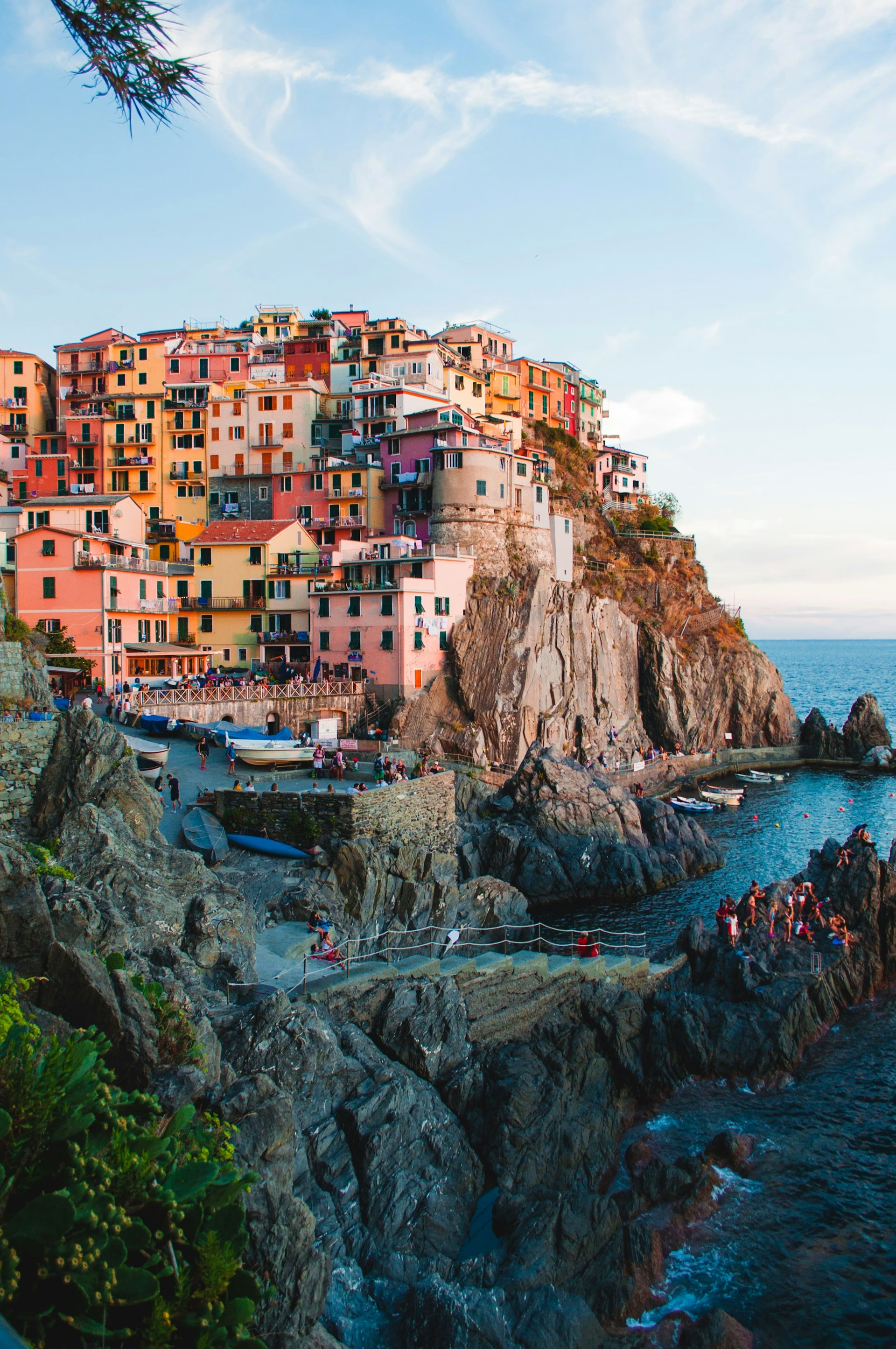
Your website is usually the first impression someone gets when they find your travel agency. Whether you’re focused on luxury cruises or customized city tours, that first look and feel can either invite someone to stick around or send them off to another tab. Having a strong online presence doesn’t just help with visibility, it builds trust. If your site is outdated or unclear, people may assume the way you plan trips follows that same pattern.
Thankfully, creating a strong base for your travel agency online isn’t as complicated as it sounds. It starts with knowing what your visitors need, then building a space that speaks to them clearly. A solid website does more than look nice. It quietly sells your services in the background, responds to your ideal client’s questions, and makes it easy for someone to reach out when they’re ready to get help planning their travels.
Understanding Your Target Audience
Before anything else, you need to know who you’re talking to. That doesn’t mean everyone who likes to travel. You want to understand the group of people who are most likely to hire you. If your focus is on romantic getaways for couples or full itineraries for busy families, your content, images, and even your wording should match what they care about.
It helps to start simple. Think about the kind of questions you’ve already been asked the most. What type of trips do people usually ask you to help with? Are there places you specialize in that tend to attract a certain crowd, like adventurous solo travelers or retirees looking for slow-paced cruises?
Here are a few ways to get to know your audience better:
- Revisit past client emails or inquiry forms and look for repeating questions or concerns.
- Check conversations you’ve had on social media or through direct messages.
- Use your own memory of real client conversations to spot common patterns.
- Pay attention to which blog posts or pages on your site get the most clicks.
Once you understand who you’re speaking to and what they need, it’s easier to plan what your site should say. Use the types of words and tone that match the way your clients talk. Skip overly formal phrases or confusing terms. Talk to them the way you would in person.
Key Elements Of Effective Travel Agency Websites
Designing a solid online home for your travel agency doesn’t mean stuffing your site with flashy effects. It just means making it easy to use, easy to understand, and connected to what your client is looking for. A few pieces matter more than others when it comes to creating a website that works.
- Clear and Easy Navigation
If someone lands on your site and feels lost, they’re gone. You don’t need ten different menu tabs or a wall of links. Guide your visitor with one clean, easy menu bar at the top. Keep options to a small group like Home, About, Services, Contact, and maybe one special category like Groups or Blog. Everything should lead somewhere useful, not just fill space.
- Mobile Optimization
A big part of your audience isn’t seeing your site from a desk chair. They’re using their phones. If your content looks squeezed, slow, or incomplete on a screen, people will leave fast. Make sure your site isn’t just readable on phones, but that it feels easy to scroll through, tap on, and interact with.
- Visuals That Do the Talking
Travel is visual. People want to picture their trip before they even ask for help in planning it. Good photos give your site energy and can connect with someone in seconds. Use large, high-quality images that match the kinds of trips you plan. Avoid clutter or throwing too many pictures into one spot. Let each photo tell a story—whether that’s a peaceful beach, a mountaintop view, or a cozy boutique resort.
- Service Descriptions That Speak Clearly
Saying you “plan travel” can mean a lot of different things. Spell it out in simple terms. Do you help with group bookings? Do you build full travel itineraries, or do you specialize in all-inclusive resorts? Is your business focused on custom travel planning or packaged offers?
Write like you’re having a one-on-one conversation with your ideal client. Keep descriptions warm and clear. For example, “I help honeymooners plan stress-free trips to Italy by taking care of hotels, city travel, and restaurant bookings, all based on their tastes.” That paints a picture and gives people confidence they’re in the right place.
SEO Best Practices For Travel Agency Websites
Search engines are a big way new clients find your travel agency. If you want to show up in the right searches, your site needs to be built with search engine optimization, or SEO, in mind from the beginning.
Start with clear keywords. These are phrases your future clients are already typing into search bars. If you plan adventure trips to Costa Rica or multi-generational cruises to Alaska, mention those exactly. Phrases like “custom Costa Rica travel planning” or “family cruises to Alaska” work better than just “travel expert” or “vacation planner.”
A few easy-to-follow SEO tips include:
- Put your main keyword in your page title and near the top of the page content.
- Write meta descriptions that let people know what they’ll get if they click your link.
- Use keywords in your image file names and include alt text that describes the image.
- Make sure your website loads quickly and doesn’t have broken links.
SEO isn’t something you set once and forget. As your business grows or the destinations you highlight shift, you’ll want to refresh your keywords and make sure your content stays current.
Building Trust Through Your Website
People only book trips with businesses they trust. That trust has to show up on your site as soon as someone lands on it.
Start with real client reviews. Short comments about how smooth the trip was or how helpful you were can go a long way. Place these near your call-to-actions, like on your Services page or under a contact form, to support someone right as they’re thinking about getting in touch.
Next, share any credentials or partnerships. If you’re a member of a respected travel advisor association or group, list those logos clearly and neatly. These small trust signals quietly show someone you’re professional and connected.
You can also add a bit of personality with a team photo. A friendly picture on your About page or near the footer makes it easier for a visitor to feel like they’re reaching out to a real person, not just a faceless service.
Crafting A Memorable Homepage
Think of your homepage like your front window. If it’s cluttered or confusing, people may walk past it. If it feels welcoming and clear, they’ll want to step in.
Your homepage should say right away what you do and who you help. A bold headline across your banner—like “Luxury Honeymoon Planning Made Simple”—puts your service front and center. Right below that, add a quick paragraph explaining who you are and how you help.
A good homepage layout might include:
- A clear main message that relates to your best offer.
- A short description of the trips you help plan.
- Descriptions of what kind of clients you help, and what problems you can solve for them.
- One or two short client reviews that speak to quality.
- A few strong images that match the kind of travel you focus on.
Make Your Website Work For Your Travel Agency
Your website should do more than just look good. It should be working while you’re off planning dream trips and helping clients. A useful site brings in leads, answers common questions, and shows off the true value of what you offer.
Think of your website like the foundation of a house. If it’s strong, everything you build on top of it—whether that’s blog content, social media traffic, or email marketing—will be on solid ground.
You don’t have to do it alone. Many advisors start their businesses focused on client service and quickly find the digital side of it overwhelming. But that doesn’t mean your site has to stay on the back burner.
Paying attention to how your site is built, what it says, and how well it connects with visitors will pay off. A strategic website helps clients know exactly what they’re getting and guides them toward booking. It saves you time from explaining things over and over, and lets the right people find and trust you faster.
Starting strong online gives your agency more staying power offline. Let your website carry more of the weight, while you focus on building amazing travel experiences.
Enhance your travel agency’s online presence with expert travel agency web development. At Suitcase Designs, we ensure your website is designed to attract and engage your target audience effectively. Discover how we can support your goals with our strategic solutions by exploring our service options and pricing. Let’s work together to create a site that truly represents the uniqueness of your travel business.


